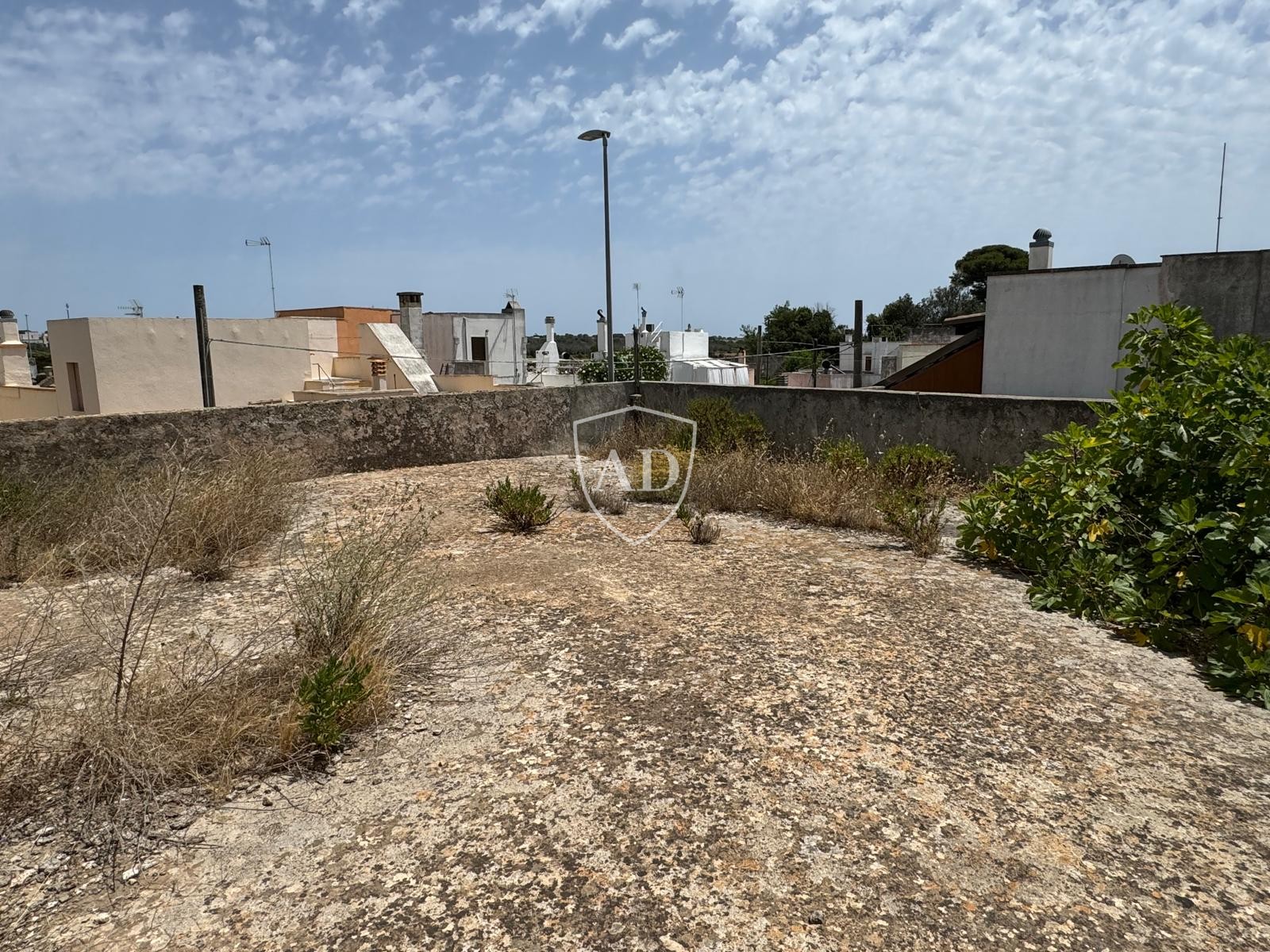
Salignano, Salento, Lecce, Apulia
The building stands in the historical centre of Salignano, a small fraction of Capo di Leuca located 500 metres east of the municipal capital. Salignano was an important cultural centre in the Middle Ages, more so than Castrignano itself.
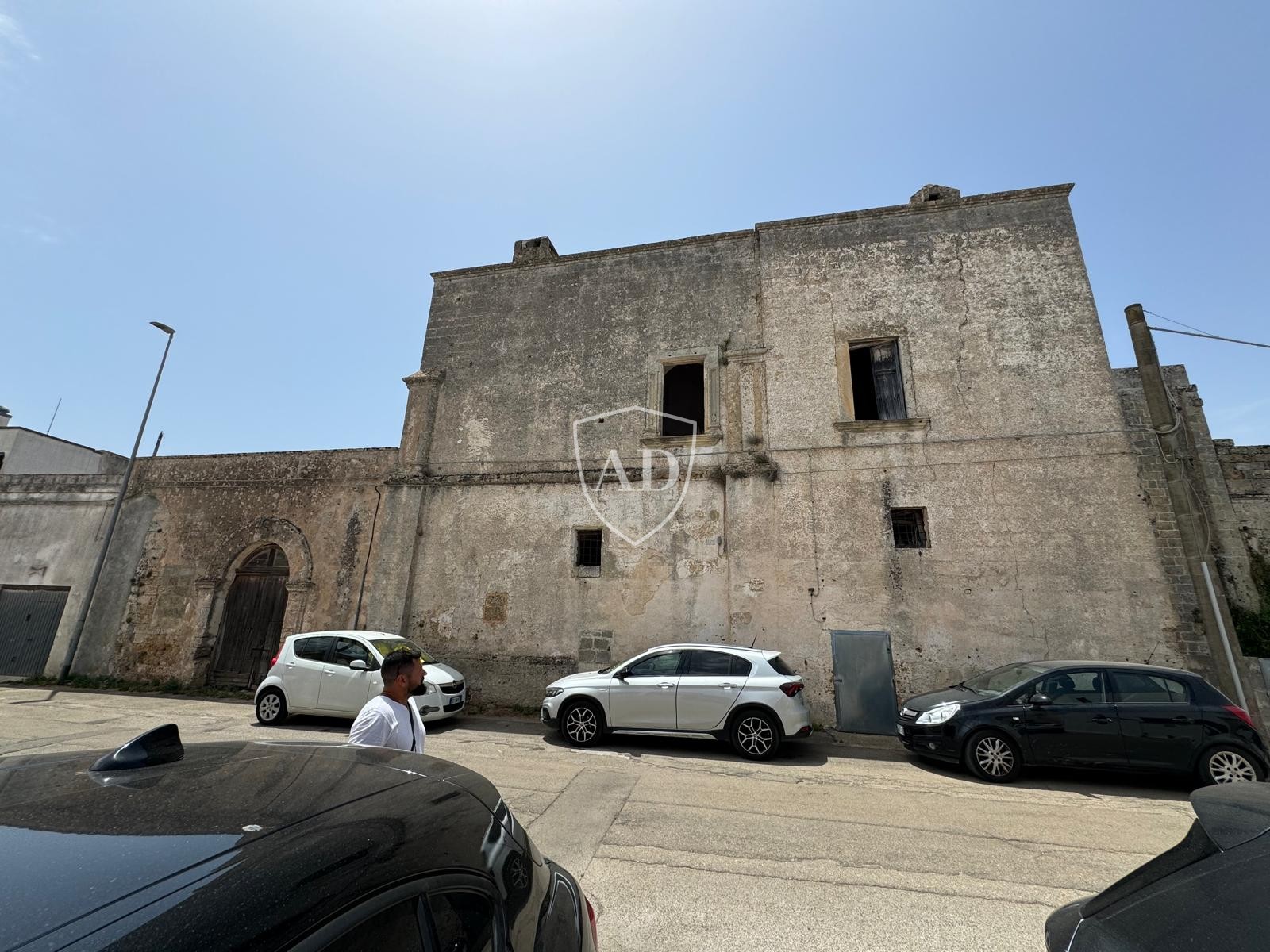
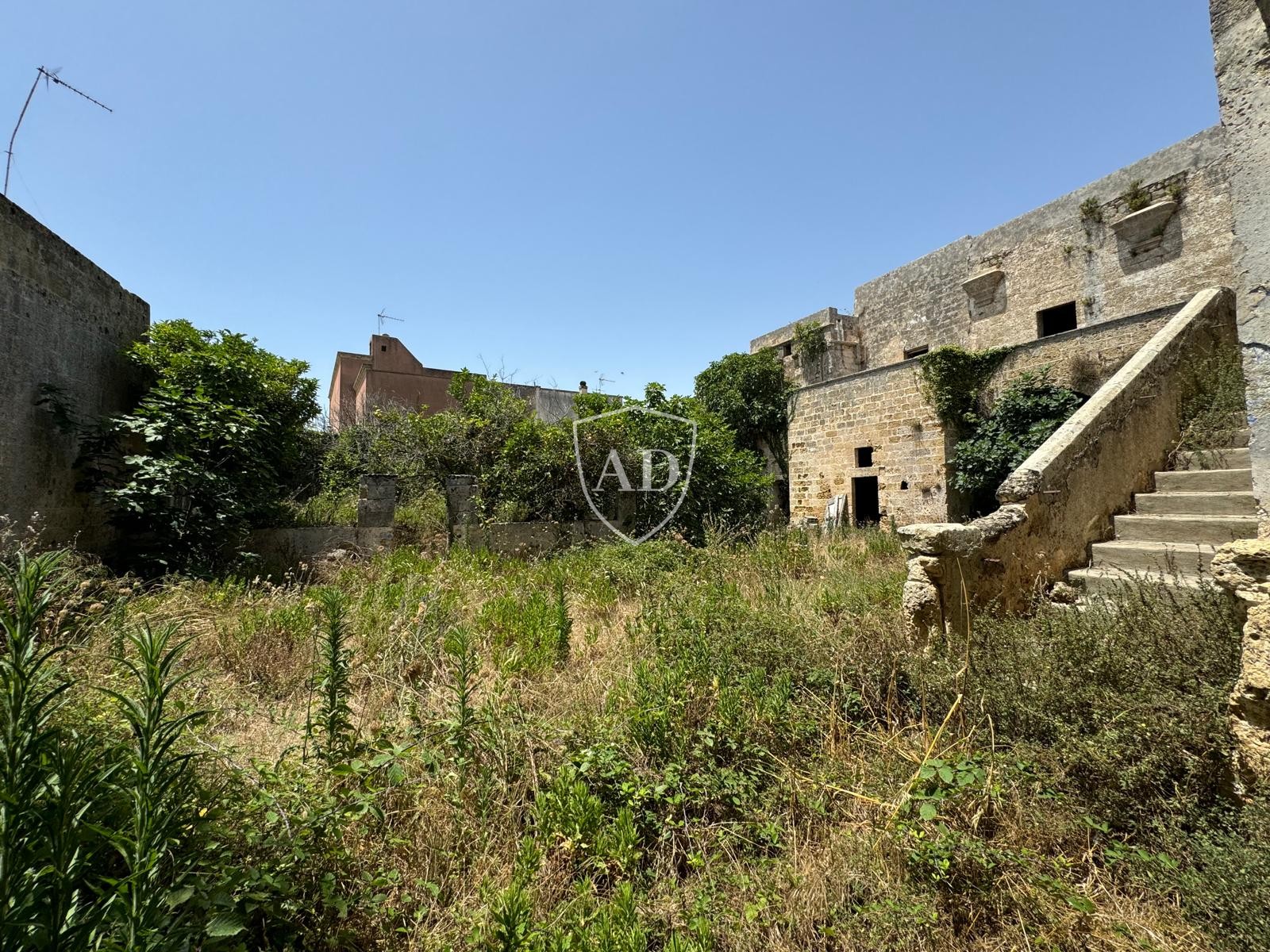
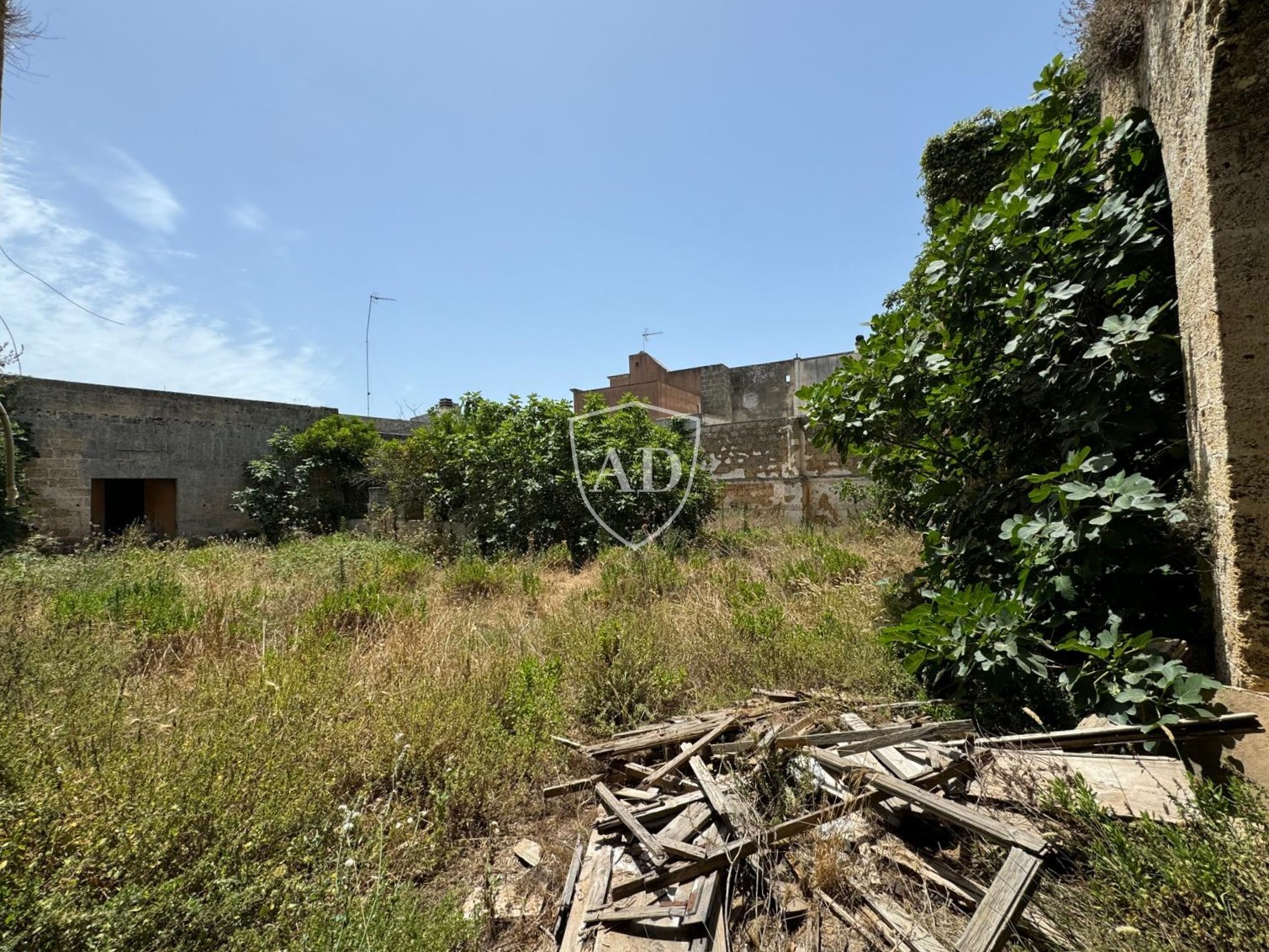
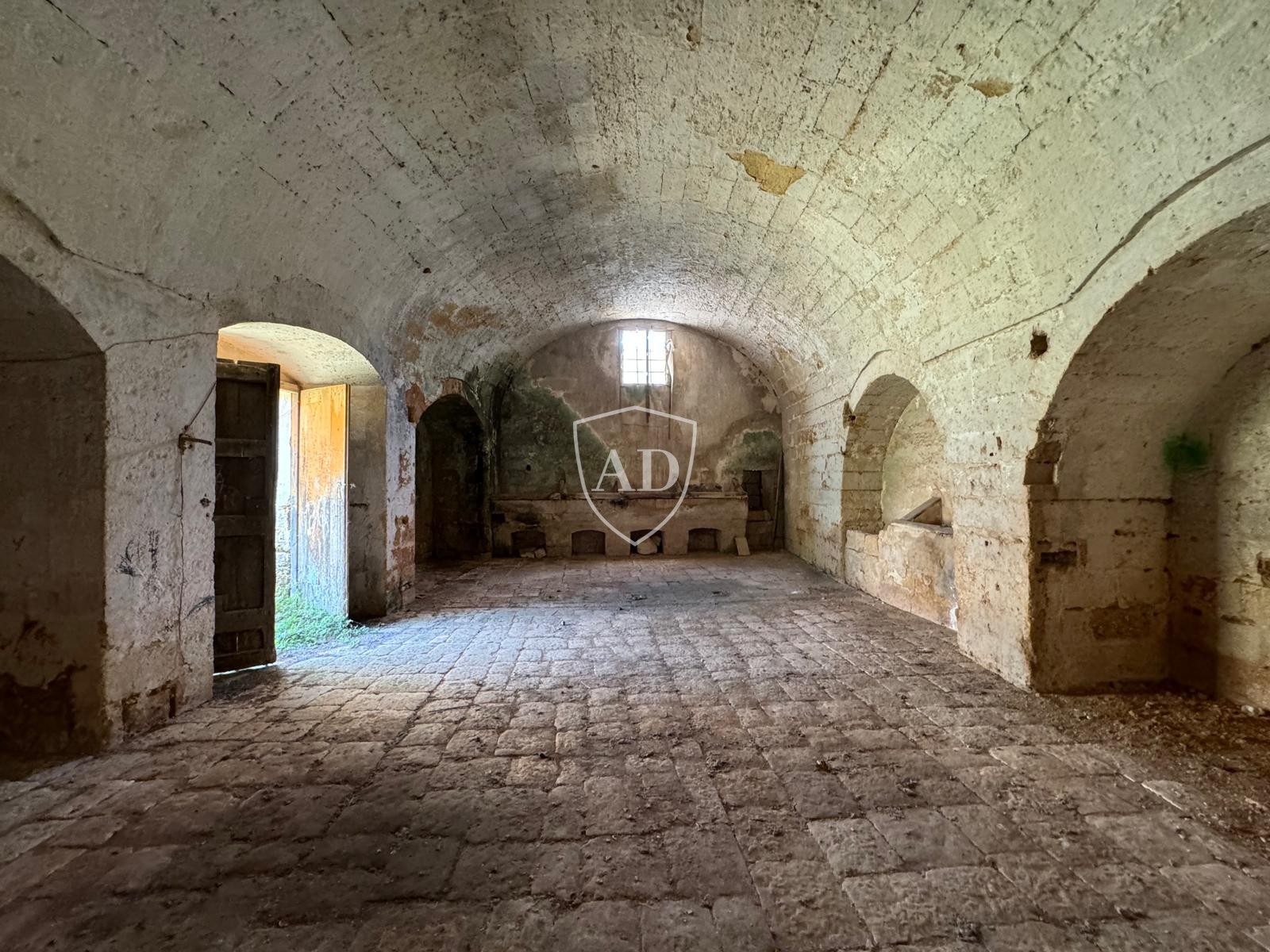
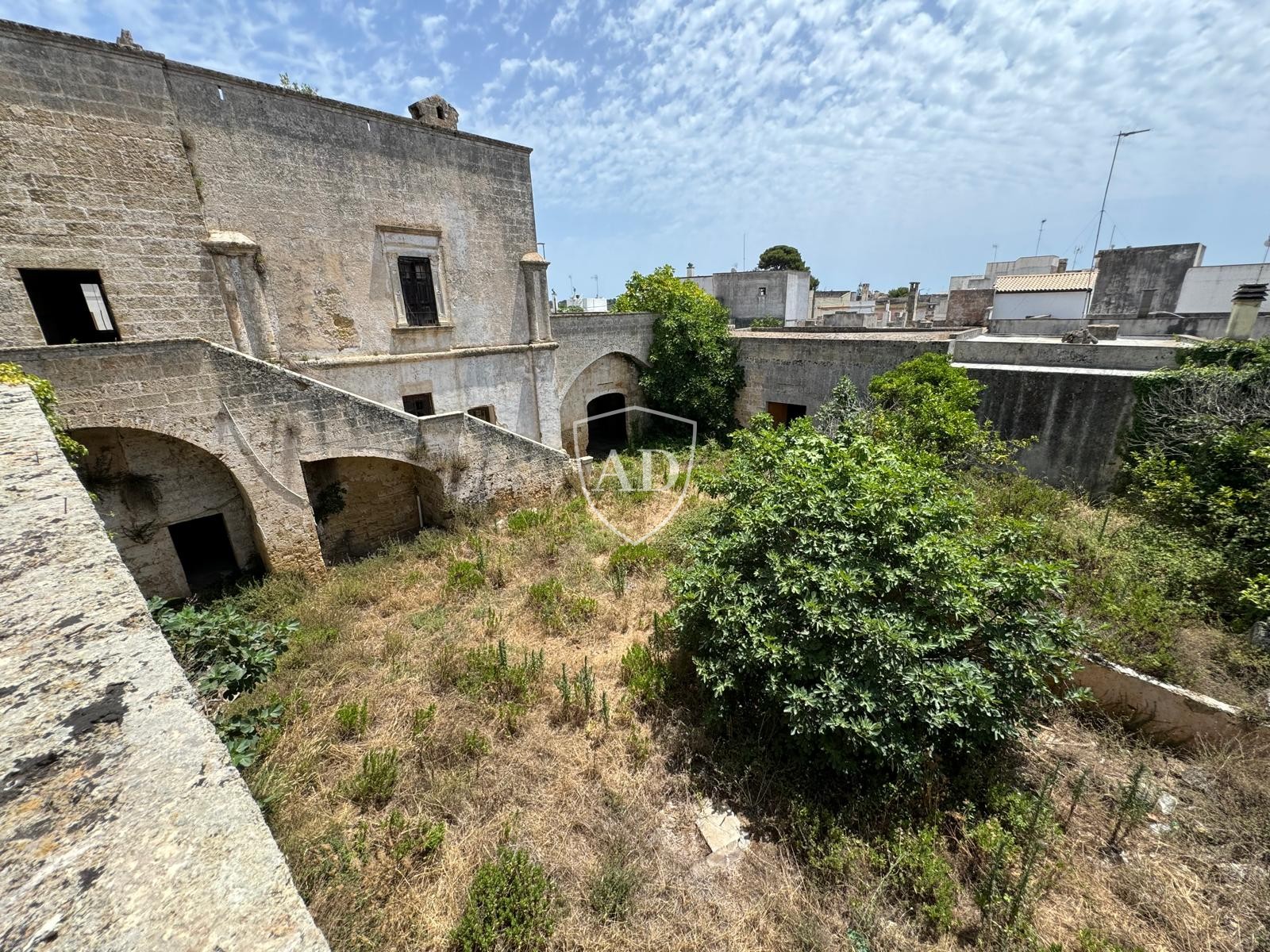
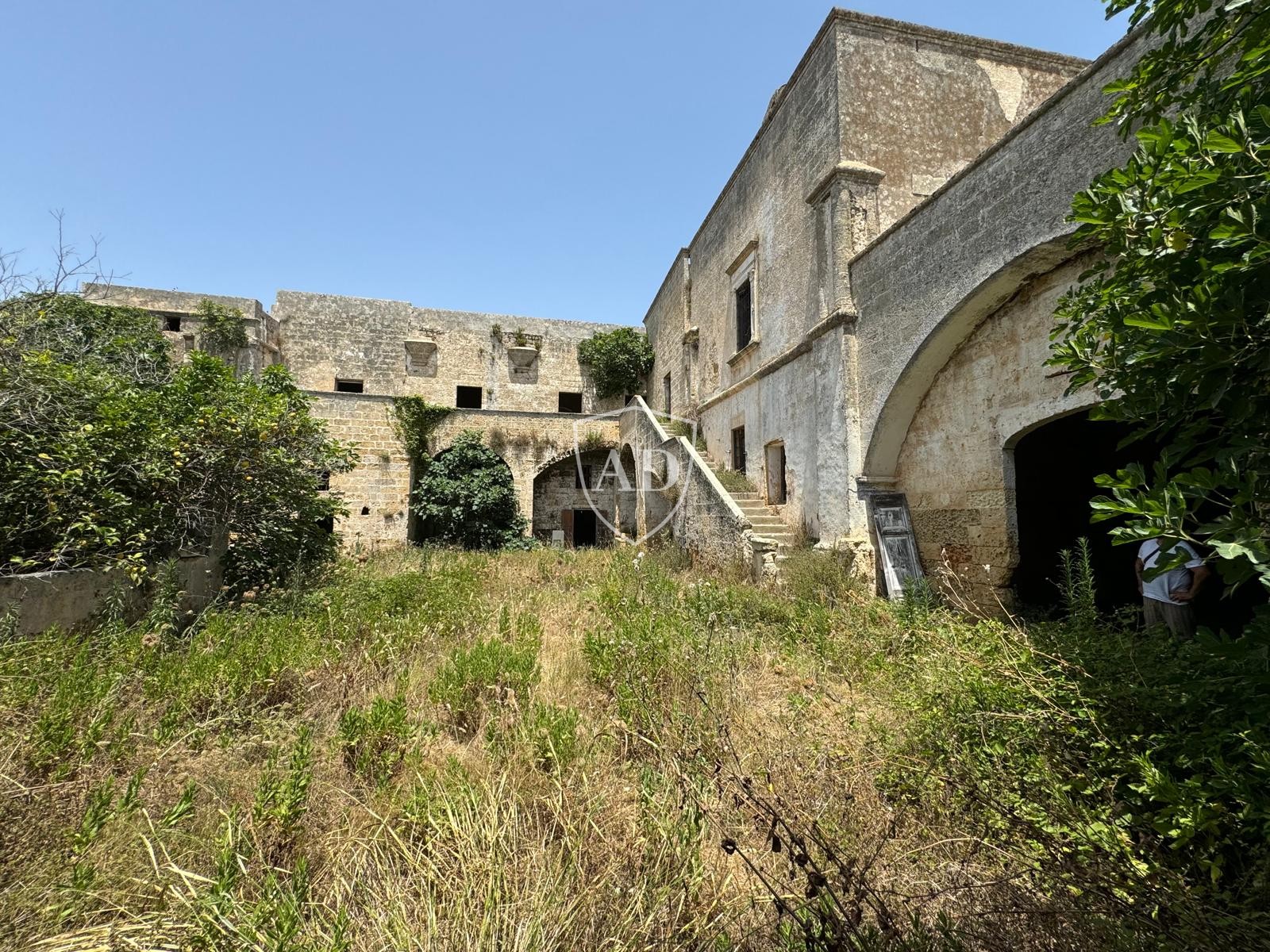
The palace has entrance from Via XXIV Maggio, and accesses to a large atrium following into the garden, on the left of which is the old stables.
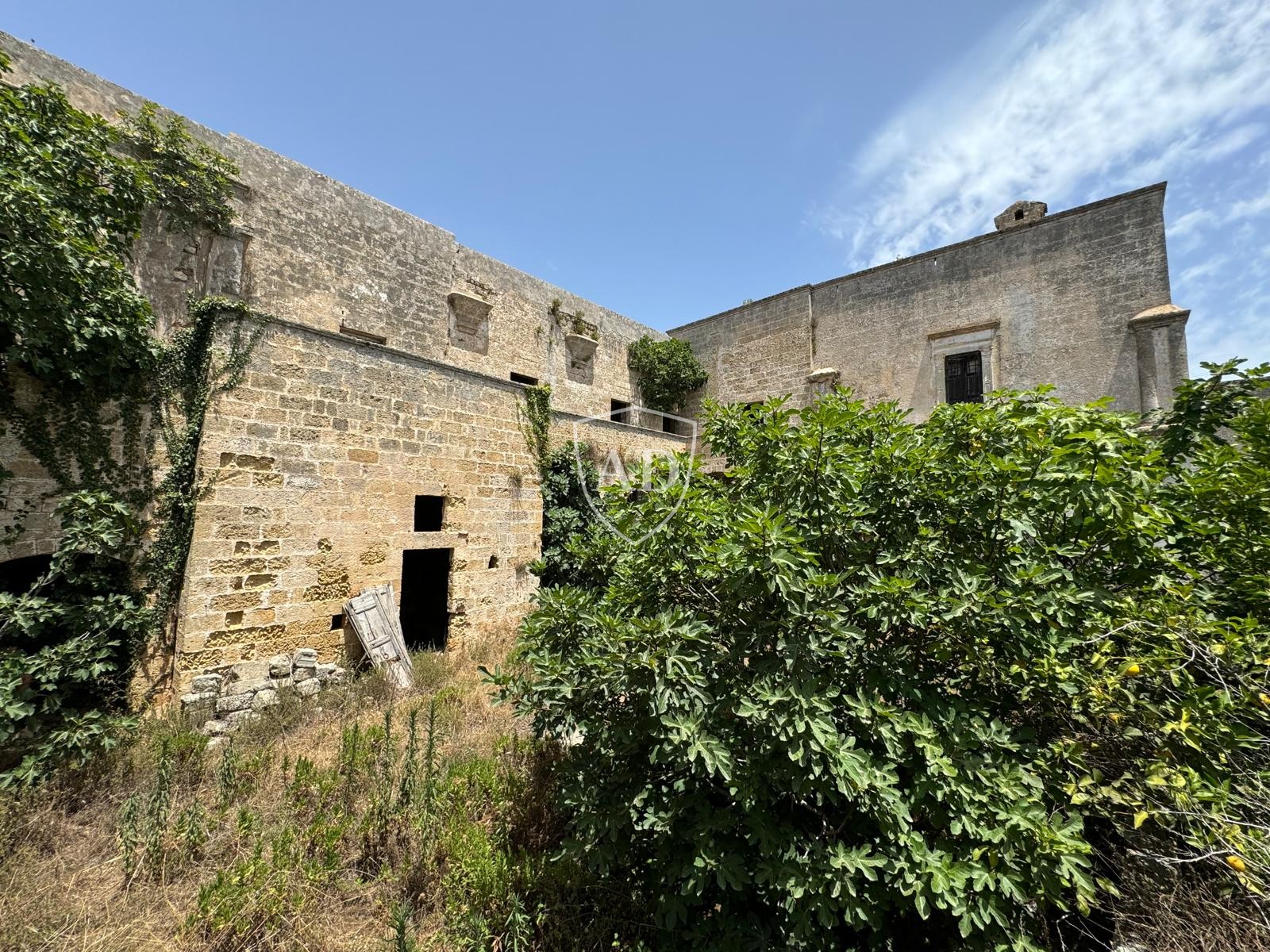
The palace has two floors.
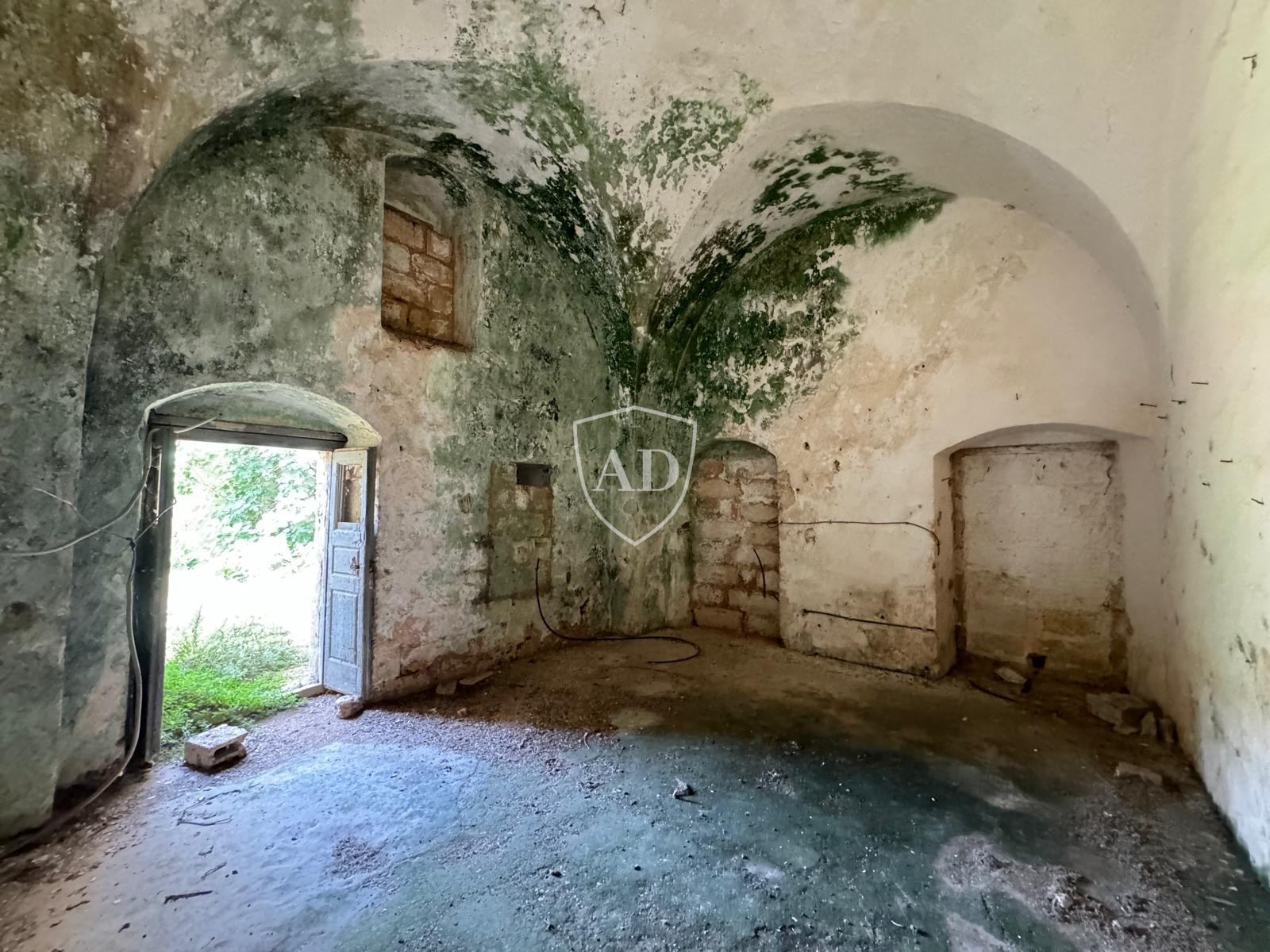
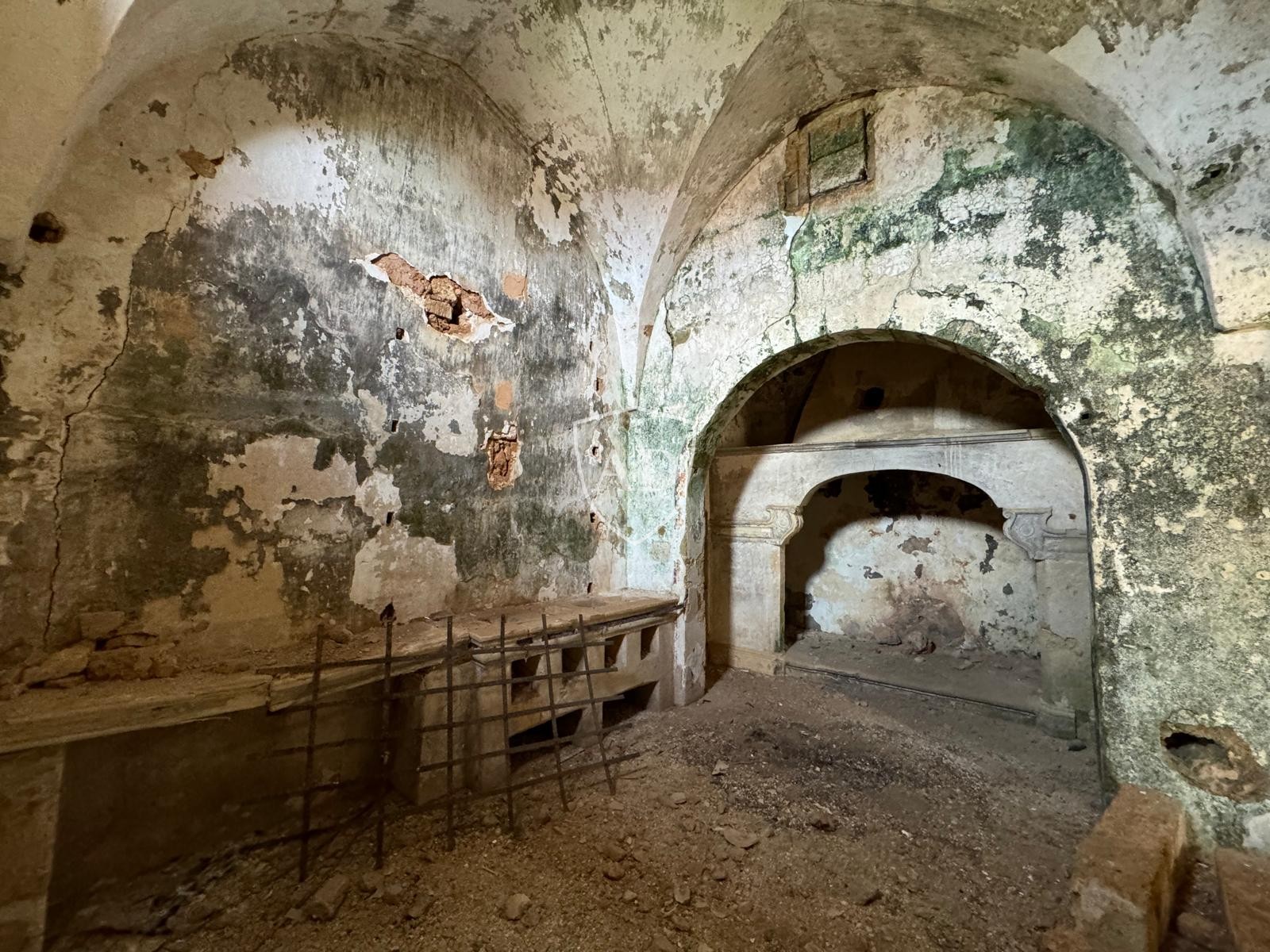
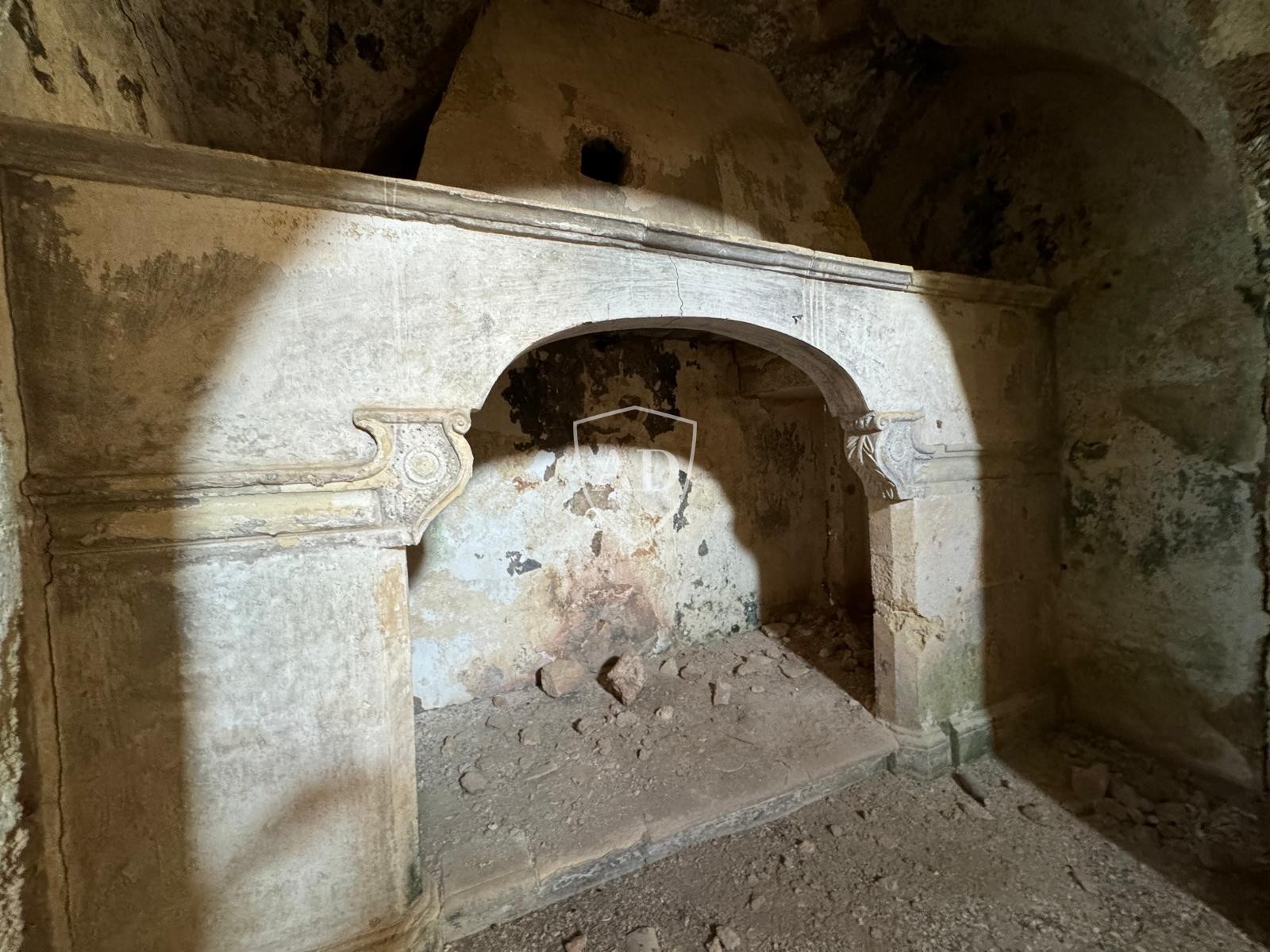
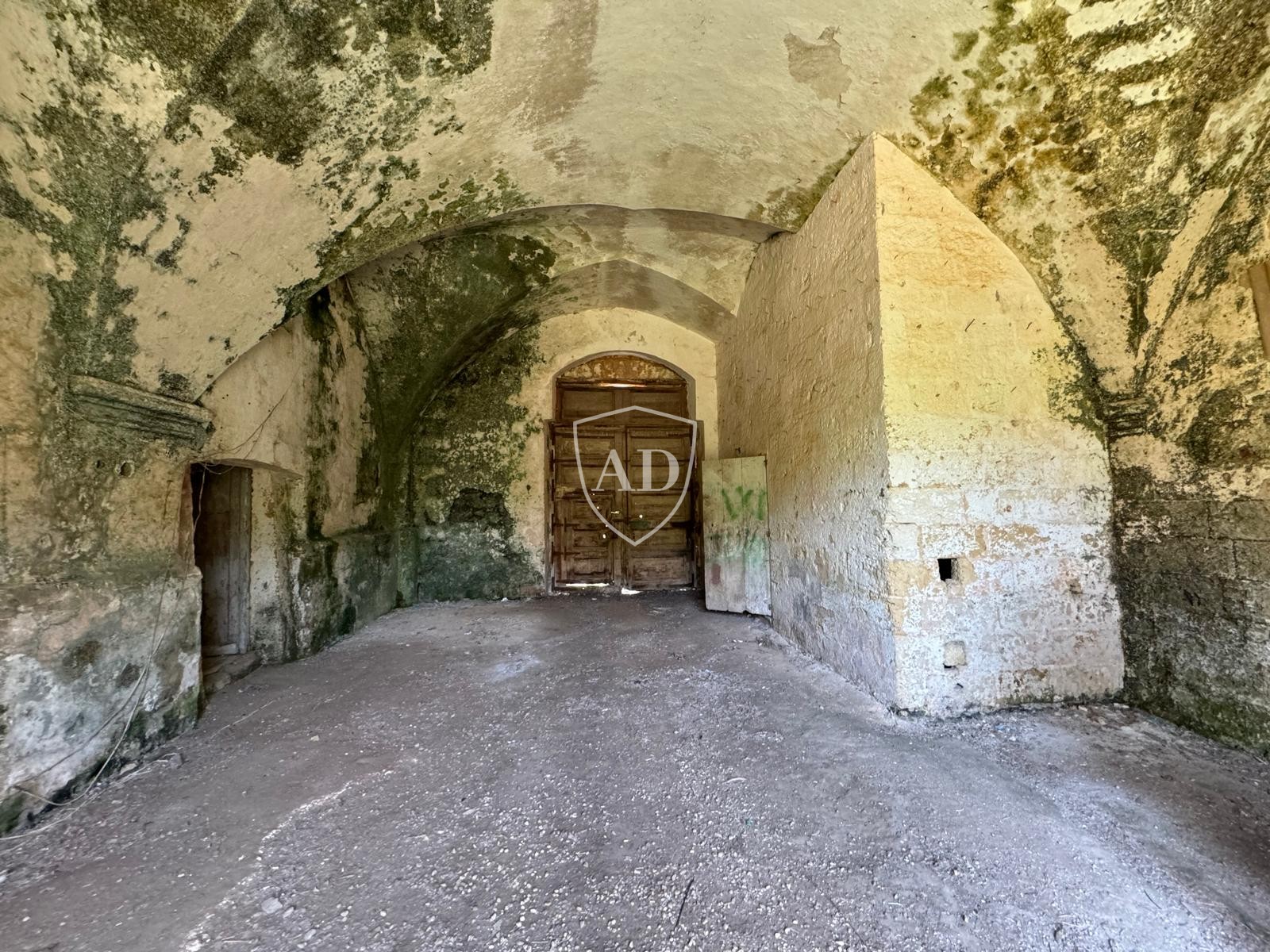
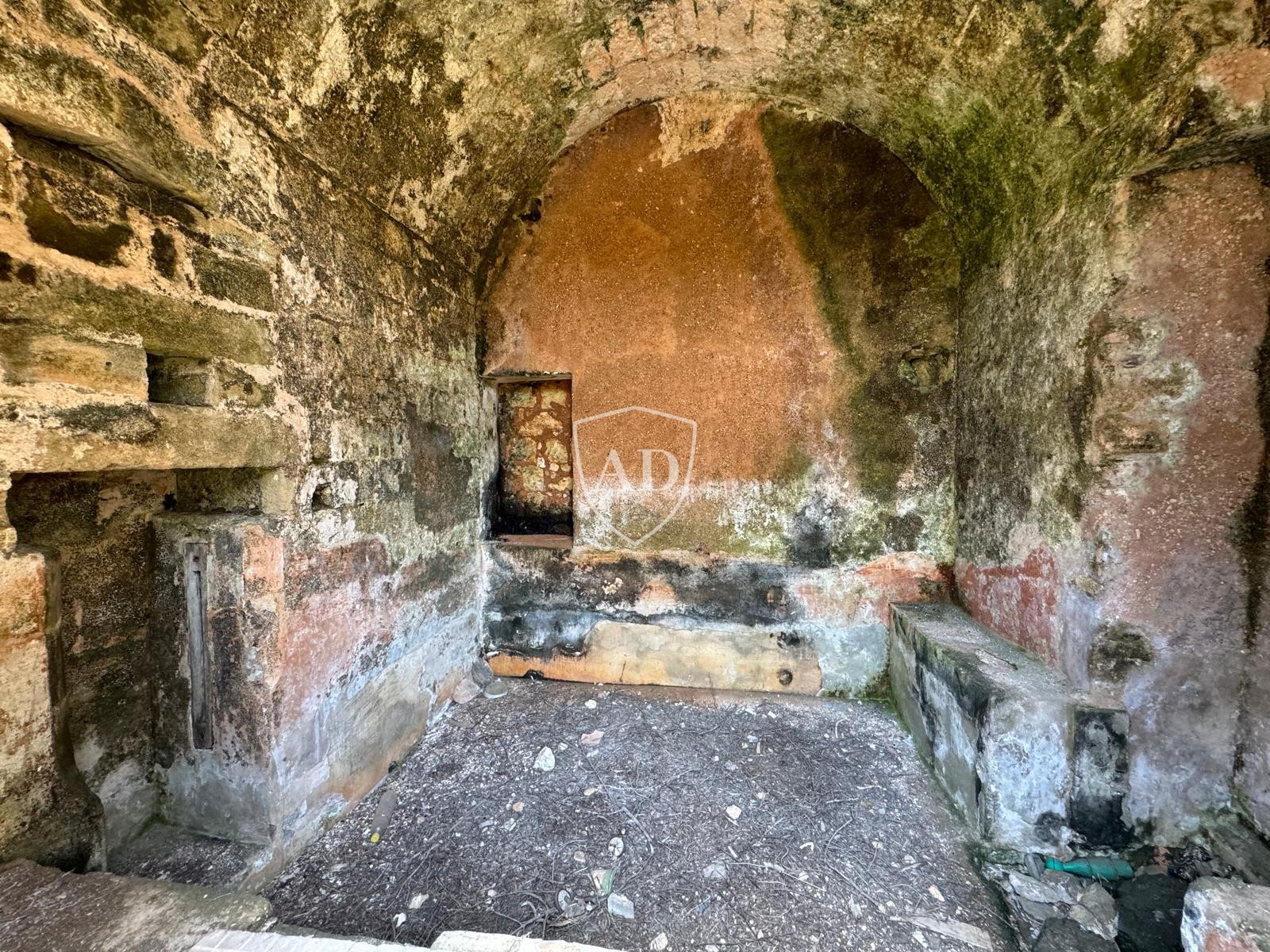
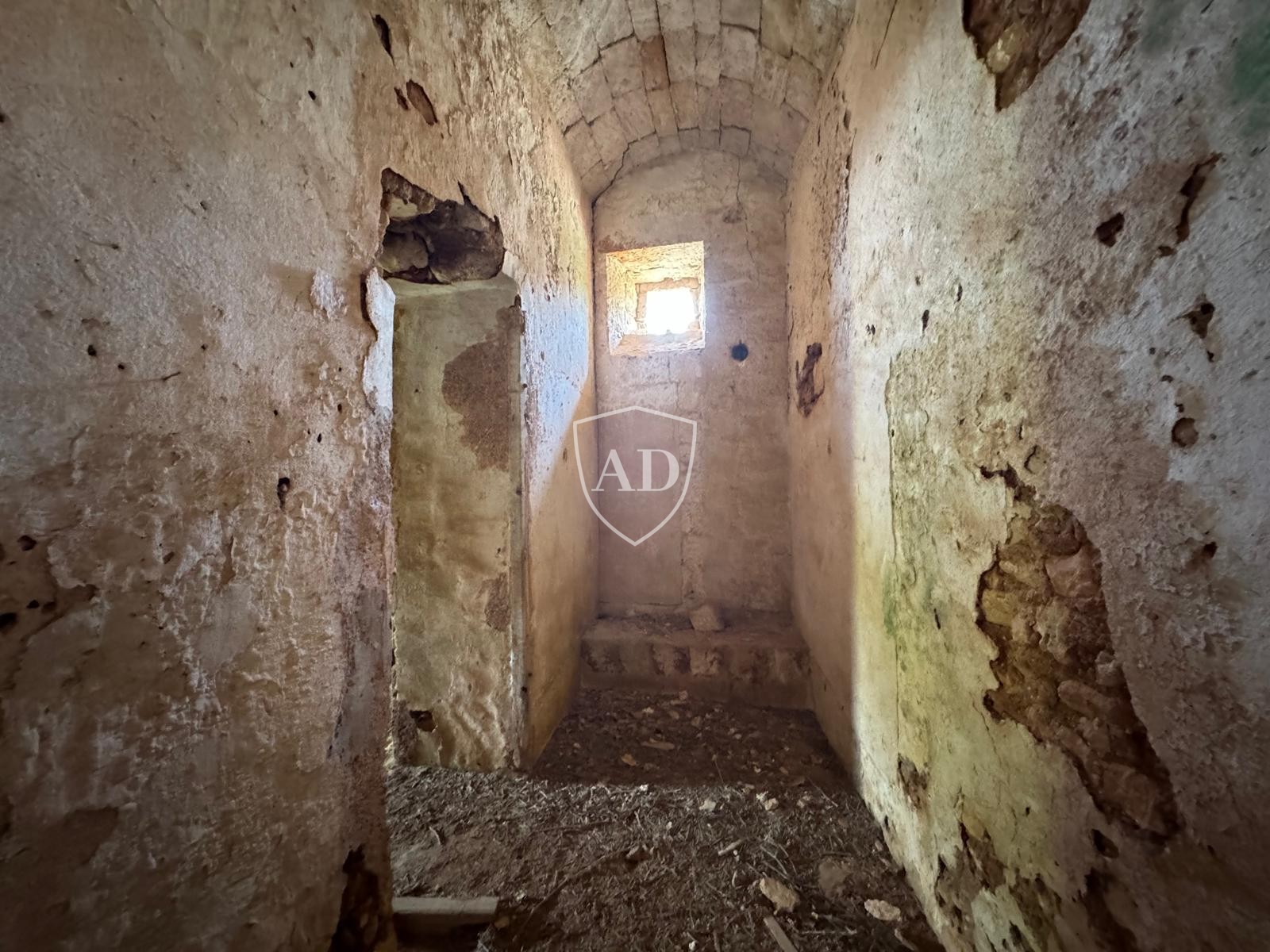
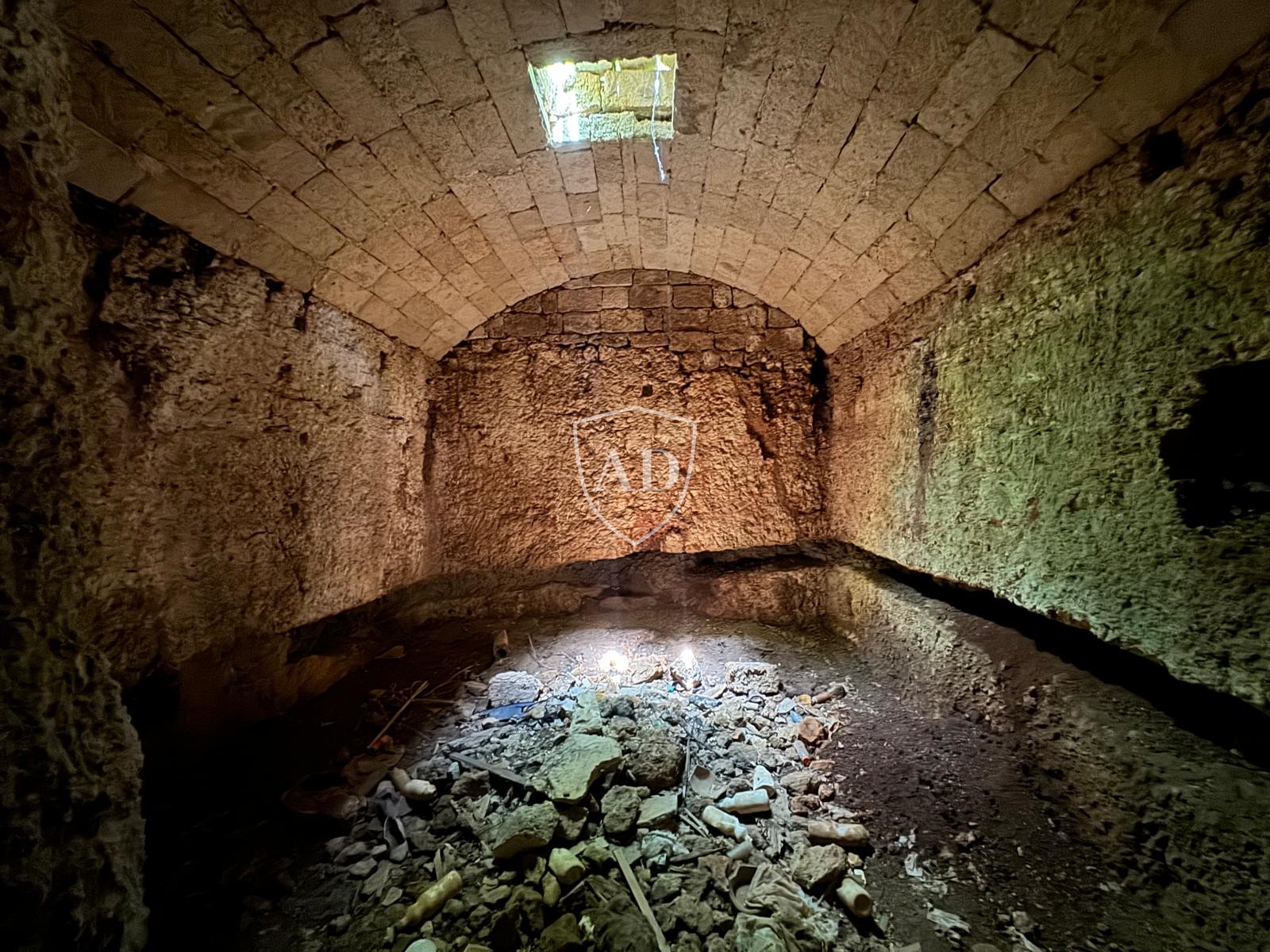
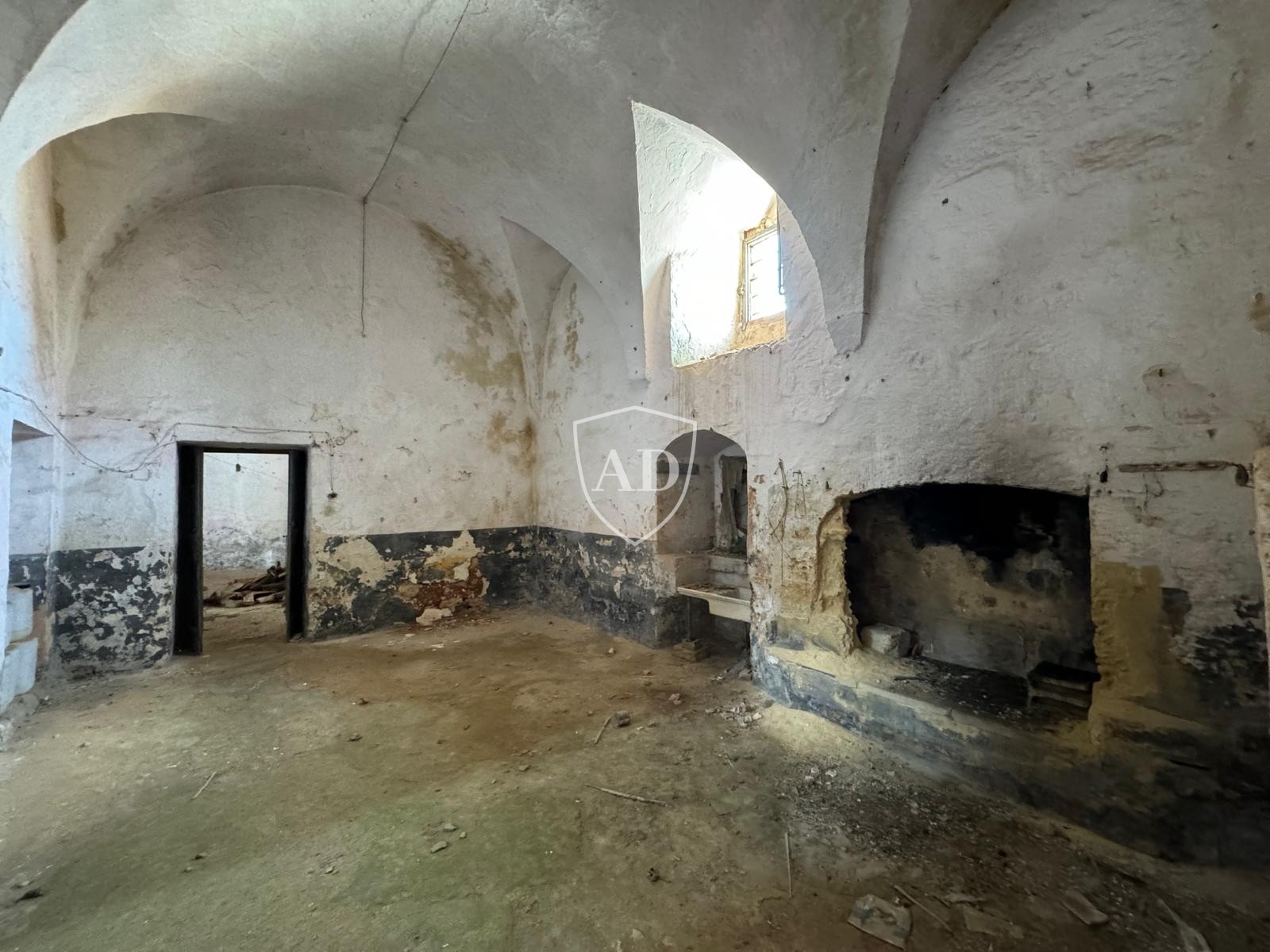
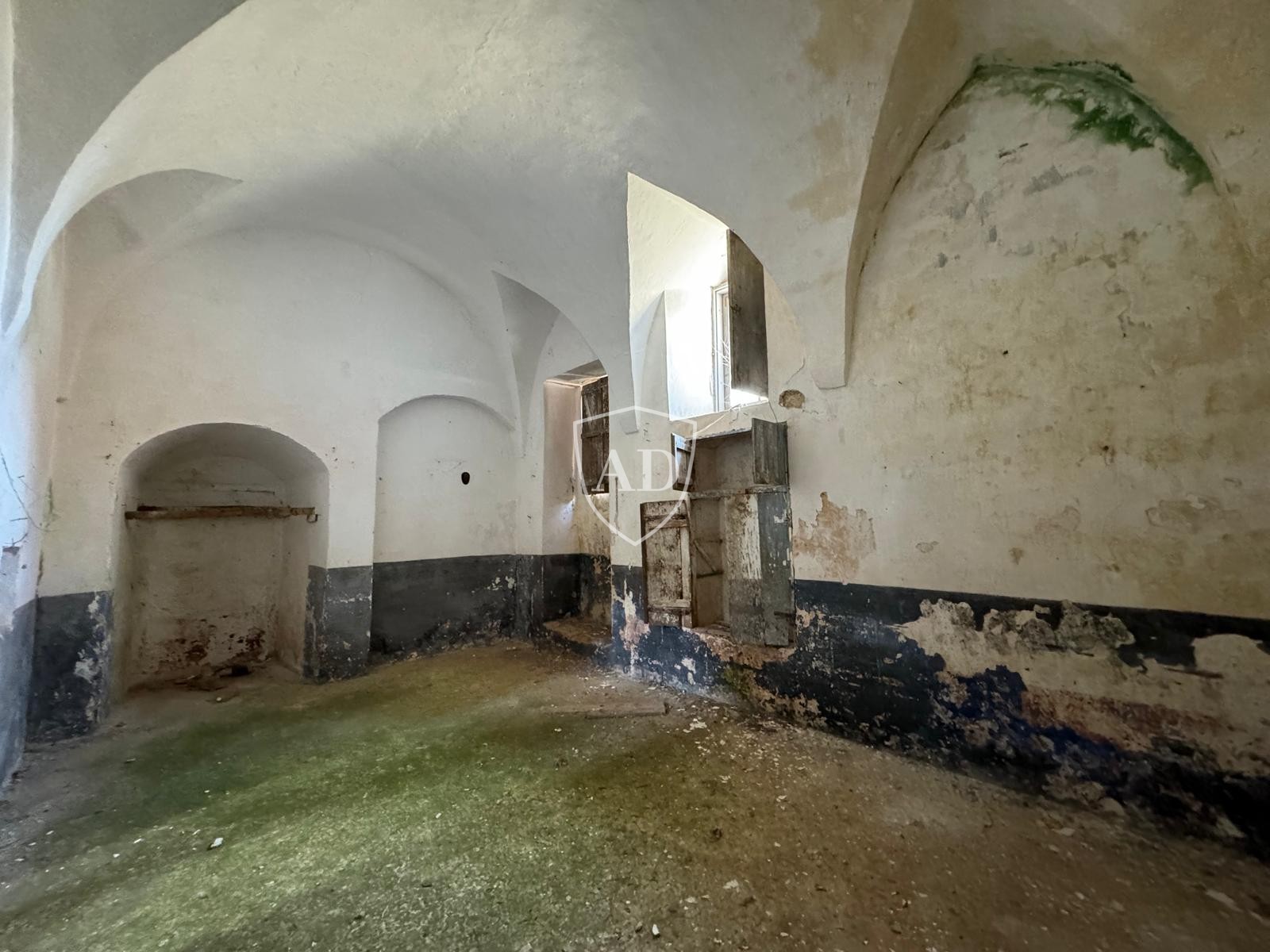
On the ground floor we find the old stable, and some rooms used for storing foodstuffs. On the first floor, accessed by a staircase from the large central garden, are the sleeping quarters, kitchen and living rooms. In the kitchen on the first floor, there is a large fireplace typical of the time.
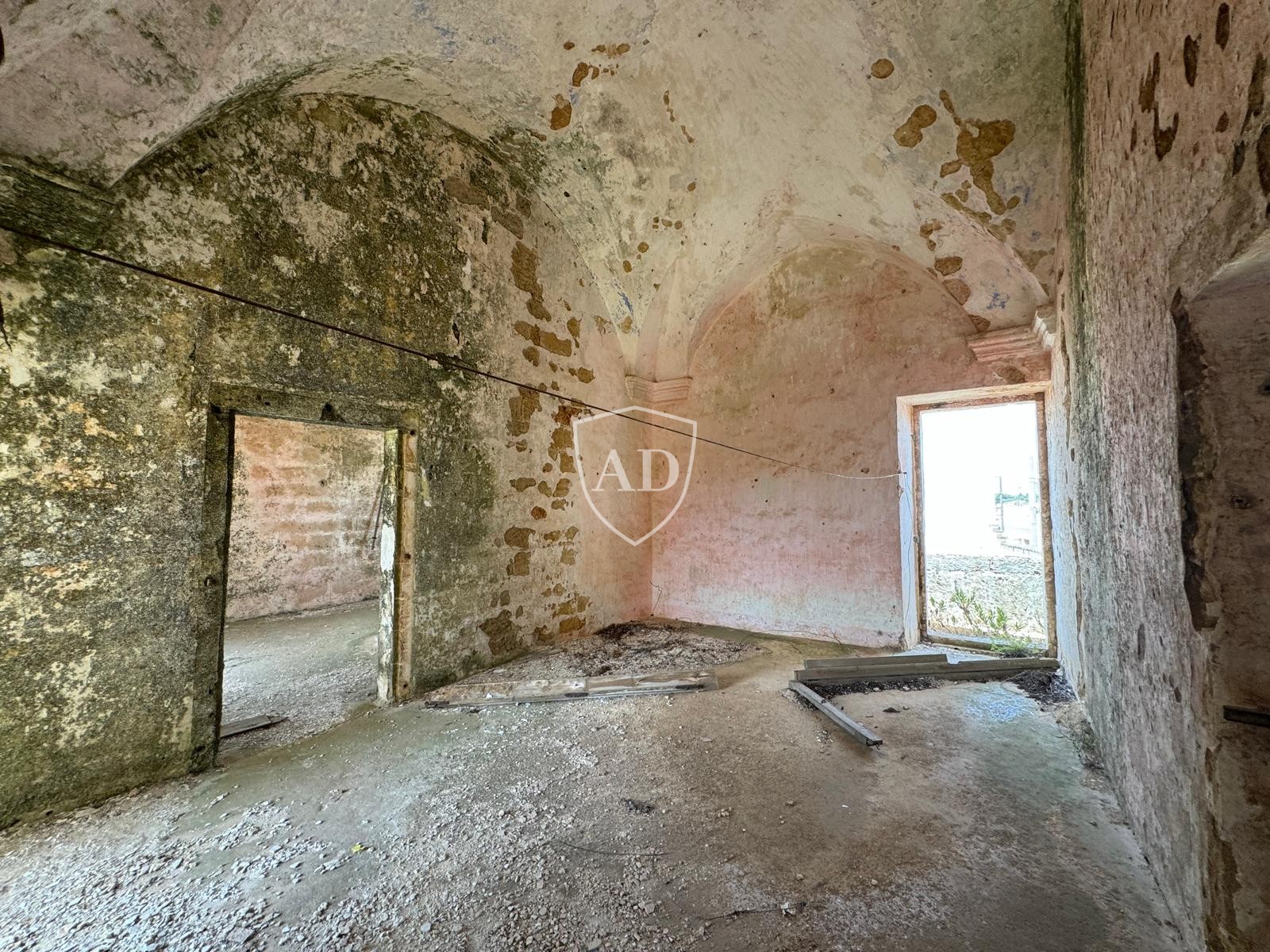
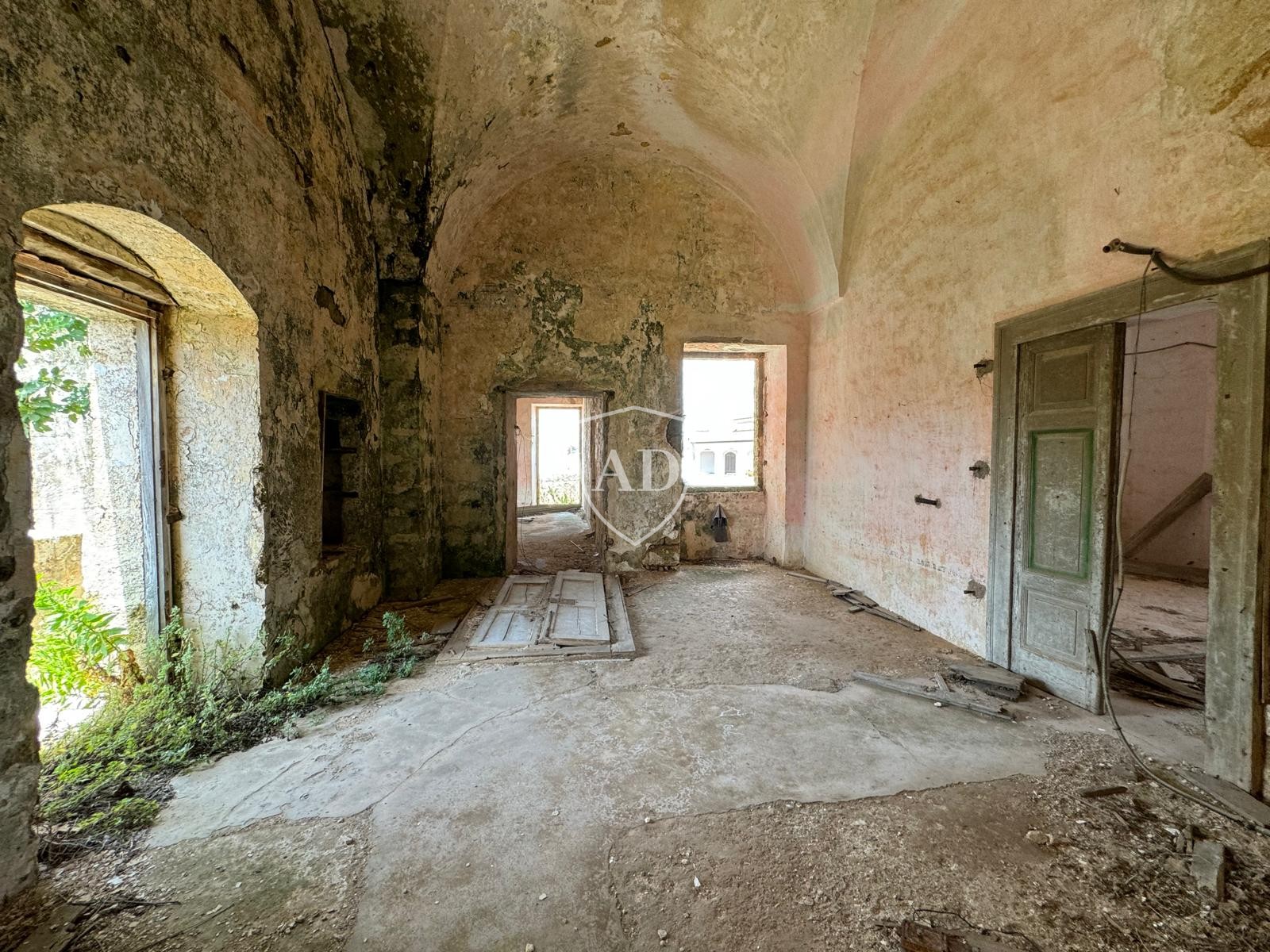
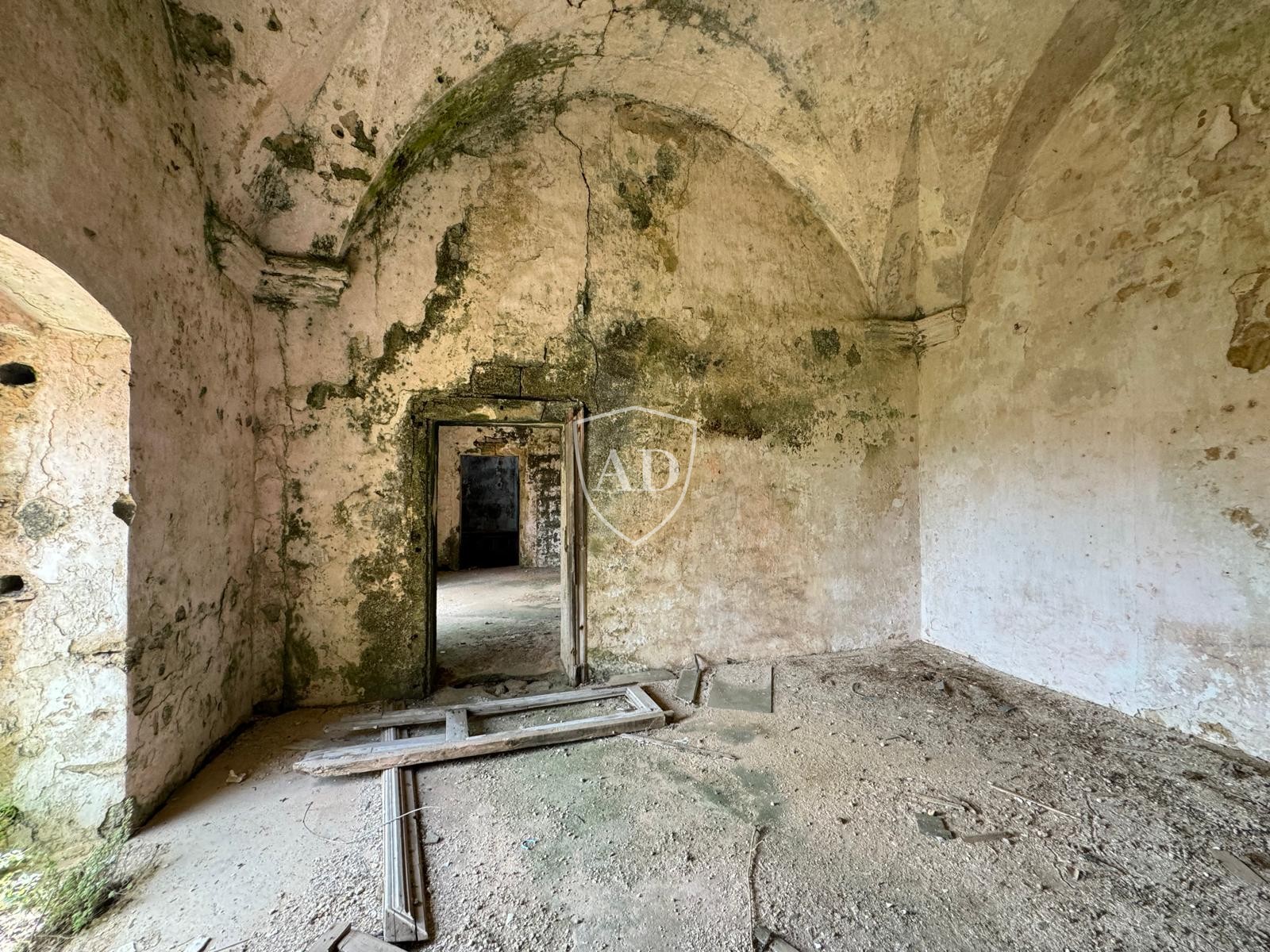
The building has a total area of approximately 1,000 square metres covered, gross, between the ground floor and the first floor, and the types of vaults are all angular or barrel vaults. On the first floor, between the extrados of the ground floor and the pavement it appears there is a sanitary void used as an old underfloor heating system (hypocaust) that extends for the entire surface of the first floor.
The History
The main monument of the village is the defence tower built in 1550 in local carparo stone in Piazza Vicenza. The palace was built around 1560 (a date to which the window frames seem to refer) by one of the most important families in the town, the Pizzolante family. The building was later remodelled after 1628, probably by adding a body bordered by two corner solutions with coupled columns. It is not improbable that these corner solutions originally delimited a loggia, which was later closed in order to obtain other rooms.
The Pizzolante family, the only one listed as ‘noble’ in the Catasto Onciario of 1748, came into possession of the palace after the subversion of feudality. The Pizzolante family originated in Salignano in 1500 (the family tree began then), moved to a palace in Ruffano at the end of 1800 and later, on the death of Prince Leuzzi who left everything to the first-born Luigi Pizzolante, they moved to the castle in Ruffano, the first-born Giuseppe took the double surname Pizzolante Leuzzi, giving rise to that branch. The coats of arms, on the palace in Ruffano in Via Pizzolante there is a coat of arms bearing a rampant lion to the left (of the beholder) crossed by a band, at the top right three stars and an empty rake. The whole is surmounted by decorations and a ducal crown.